
 Facebook
 X
X
 Pinterest
 Copy Link


Foreclosure trends in Western North Carolina have been getting more attention lately. If you have seen stories saying foreclosures are rising, it is understandable if your mind went straight back to 2008.
That was a difficult time for many homeowners, and no one wants to see that kind of housing market again.
The good news is that today’s market looks very different. Foreclosure activity has increased, but the full picture is much more balanced than the headlines may suggest.
At CENTURY 21 Connected, we believe homeowners deserve clear, local guidance. Understanding what is actually happening can help you make confident decisions, whether you are staying, selling, or simply watching the market.
Understanding Foreclosure Trends in Western North Carolina
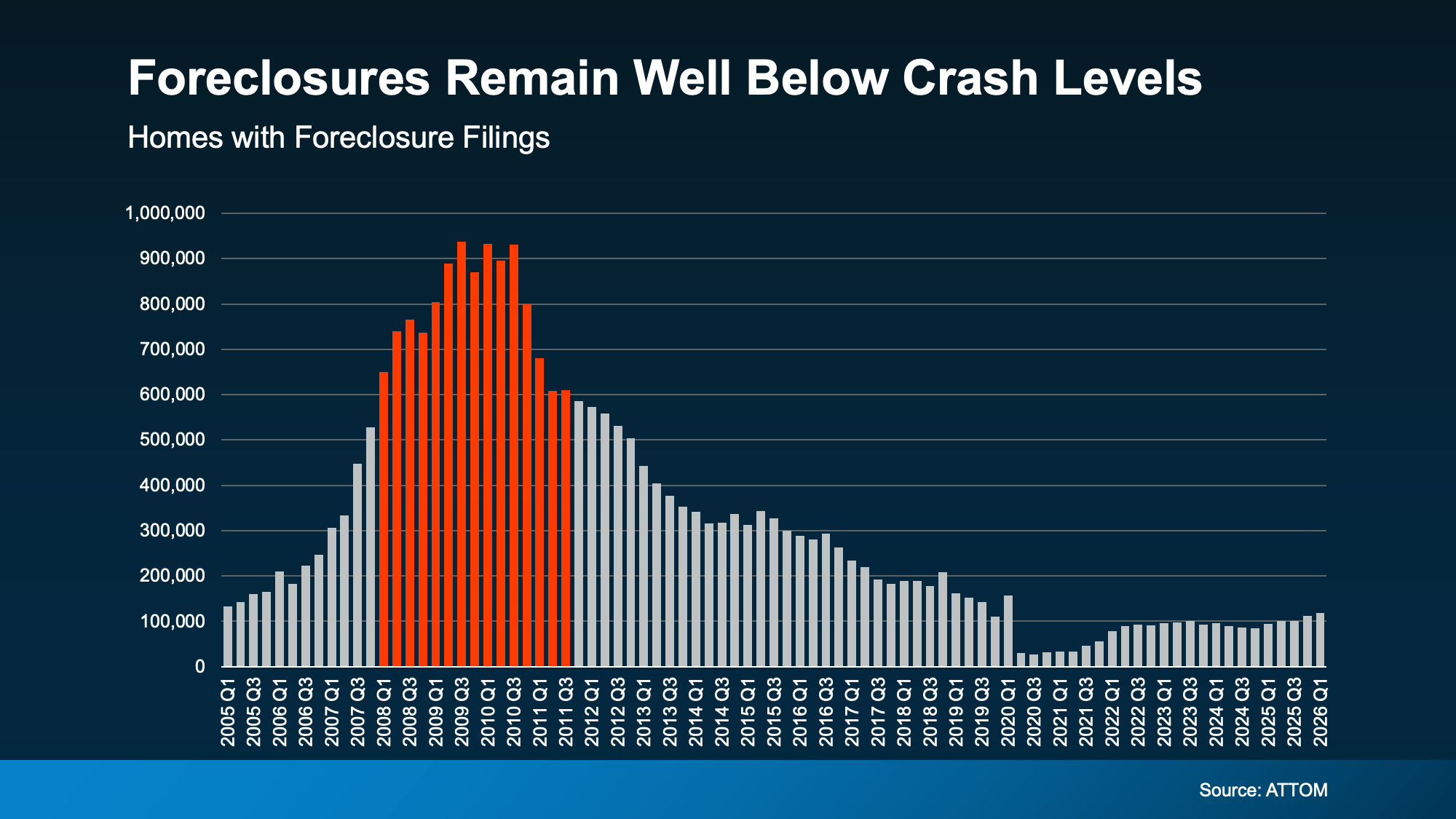
Foreclosure filings have increased compared to last year. According to ATTOM, U.S. foreclosure filings in the first quarter of 2026 were up 26% year over year.
That number is real, and it is worth paying attention to.
However, it does not mean the housing market is repeating 2008. A big part of the increase comes from the market continuing to normalize after the unusually low foreclosure activity during the pandemic years.
In 2020 and 2021, foreclosure activity was held down by government protections and mortgage relief programs. Those years were not a normal baseline.
Today’s numbers are moving closer to pre-pandemic levels, but they are still far from the extreme foreclosure levels seen during the housing crash.
For homeowners in Asheville, Hendersonville, Fletcher, Brevard, Black Mountain, and surrounding Western North Carolina communities, this is an important distinction. Rising does not automatically mean crisis.
Why Home Equity Matters in Today’s Foreclosure Market
One of the biggest differences between now and 2008 is homeowner equity.
Many homeowners today have built up significant equity because home values have increased over the past several years. Cotality reported that the average U.S. borrower has about $295,000 in accumulated home equity.
That equity matters.
In 2008, many homeowners owed more on their homes than the homes were worth. Selling was not always an option, which left many people with fewer ways forward.
Today, many homeowners have more flexibility. If a homeowner is facing financial stress, selling may allow them to pay off what they owe, protect their credit, and possibly keep some equity after closing.
That does not mean every situation is simple. But it does mean many homeowners have options that were not available during the last housing crash.
Not Every Foreclosure Filing Ends in Foreclosure
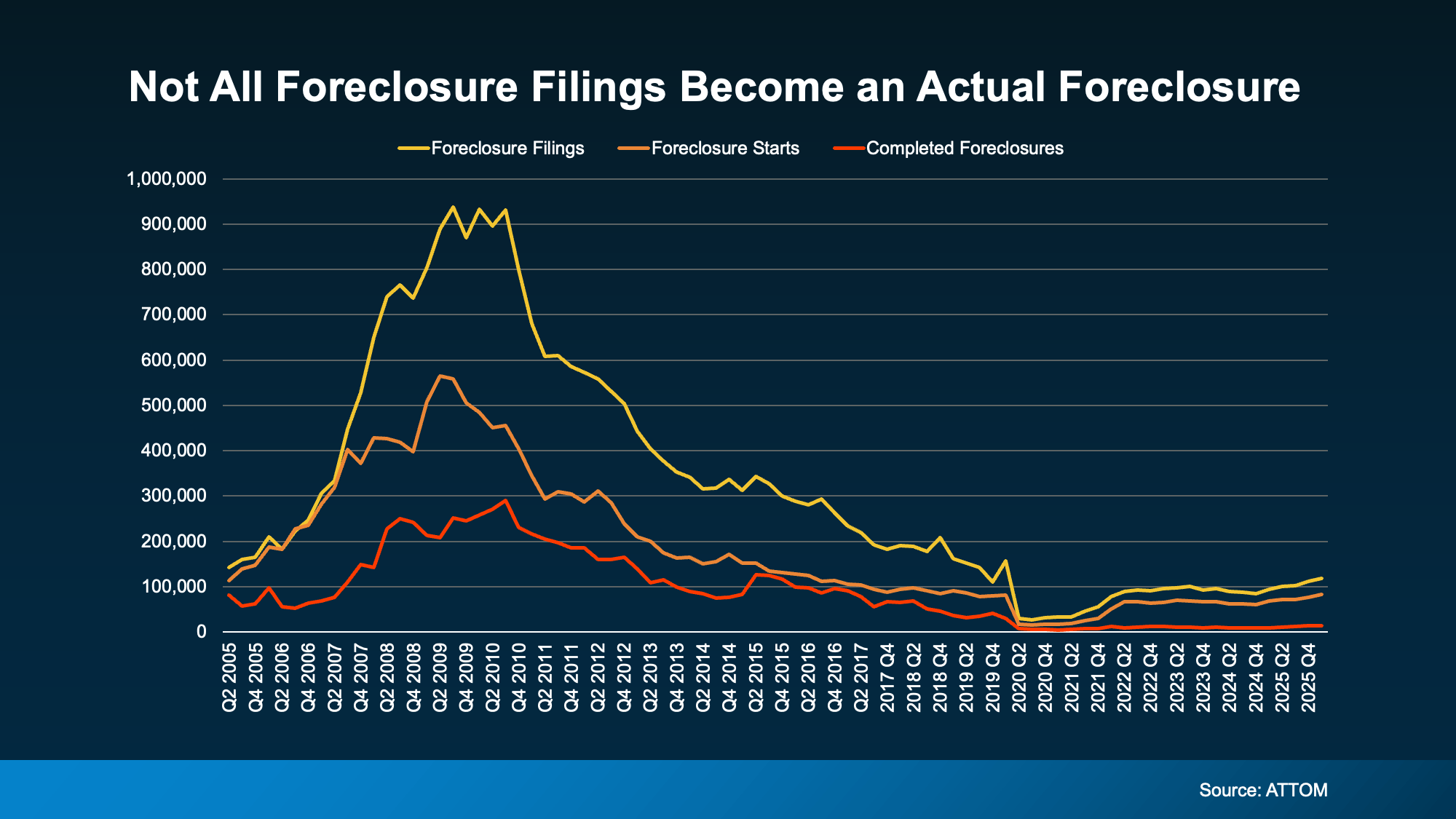
Another detail headlines often leave out is that a foreclosure filing does not always mean someone loses their home.
A filing may mean the process has started, but many homeowners find a solution before it reaches that point. Some work out a repayment plan with their lender. Others qualify for loan modifications or temporary relief. Some decide selling is the better path.
This is why it is important to look beyond the first number in the headline.
The beginning of the foreclosure process does not always lead to the end of homeownership. With the right information and early action, many homeowners can find another way forward.

If You Are Struggling, Start the Conversation Early
If you are behind on mortgage payments or worried about what may happen next, it can feel overwhelming.
But missing a payment does not automatically mean you will lose your home.
Lenders often prefer to work with homeowners before foreclosure becomes the only option. Depending on your situation, there may be ways to adjust payments, pause payments temporarily, or create a repayment plan.
The sooner you reach out, the more options you may have.
And if selling your home may make more sense, a local real estate professional can help you understand your home’s current value, your equity position, and what a sale could look like in today’s Western North Carolina market.
What This Means for the WNC Housing Market
For buyers and sellers in Western North Carolina, the key takeaway is simple: foreclosure headlines need context.
Yes, foreclosure activity has increased. But today’s homeowners are generally in a stronger equity position than homeowners were during the 2008 crash.
That equity helps stabilize the market. It also gives many homeowners more choices.
In WNC, where housing demand remains tied to lifestyle, location, and long-term interest in the mountains, local market conditions can look different from national headlines.
That is why local guidance matters.
Finding the Right Path Forward
Every homeowner’s situation is different. Some may simply want to understand what the headlines mean. Others may be facing real financial pressure and need to explore their options.
Either way, you do not have to figure it out alone.
At CENTURY 21 Connected, our team understands the Western North Carolina market and works with homeowners throughout Asheville, Hendersonville, Fletcher, Brevard, Black Mountain, and nearby communities.
We are here to help you understand your options, protect your goals, and make a clear plan for what comes next.
Learn more about our local expertise: www.CENTURY21Connected.com